March 25, 2026 | Insight
8 Key Regime Figures Killed in U.S.-Israeli Strikes on Iran
March 25, 2026 | Insight
8 Key Regime Figures Killed in U.S.-Israeli Strikes on Iran
The joint U.S.–Israeli military campaign has dismantled key elements of the Islamic Republic’s leadership across its military, political, and internal security pillars. While the elimination of the Islamic Republic’s highest authority, Ali Khamenei, dominated headlines, the strikes also neutralized a range of senior figures central to Tehran’s malign activities.
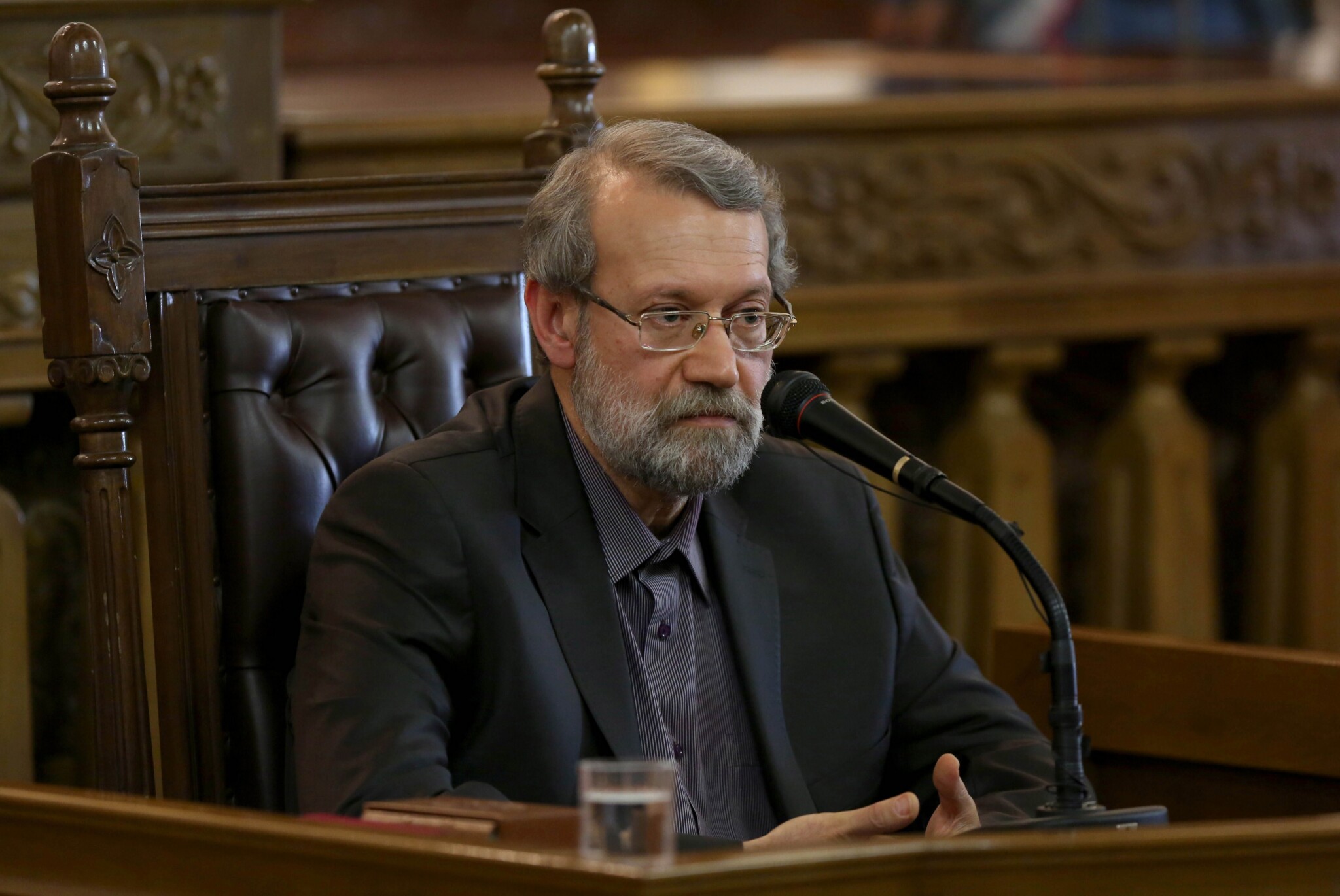
1. Ali Larijani
Secretary of the Supreme National Security Council. A former IRGC officer, ex-parliament speaker, and veteran nuclear negotiator, Larijani was an architect of the regime’s brutal crackdown on protesters and became one of the regime’s most important surviving political-security powerbrokers after Khamenei’s death.
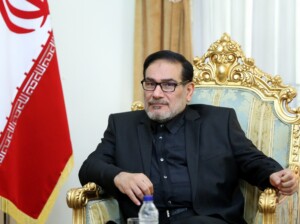
2. Ali Shamkhani
Top adviser to the supreme leader on security affairs. Shamkhani was the head of the Defense Council, key security-nuclear policymaker, and former IRGC Navy chief, was instrumental in developing the regime’s missile program, and also led an oil smuggling ring to evade sanctions.
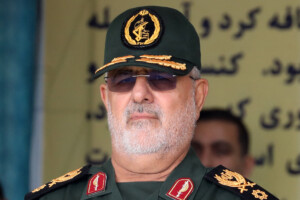
3. Mohammad Pakpour
Commander-in-chief of the IRGC. Pakpour held numerous varying roles within the IRGC, leading the regime’s most powerful military, economic, and ideological institution tasked with safeguarding the Islamic Revolution. He had been sanctioned by numerous countries for his role in the violent repression of protesters and under non-proliferation and missile-related measures.
4. Abdolrahim Mousavi
Chief of the General Staff of the armed forces. Mousavi rose from commander-in-chief of the Artesh, Iran’s conventional army, to chief of the General Staff of the Armed Forces where he coordinated the regime’s main military bodies and aligned the Artesh with the IRGC.
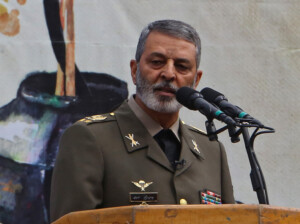
5. Esmail Khatib
Minister of intelligence. A cleric and Khamenei protégé, Khatib oversaw the Ministry of Intelligence’s domestic repressive operations and extraterritorial assassination and kidnapping plots. He was sanctioned by multiple countries for overseeing repression, including arbitrary detention, torture, and the targeting of dissidents.
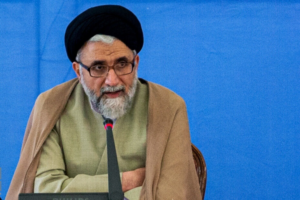
6. Gholamreza Soleimani
Commander of the Basij. Soleimani led the Basij, the regime’s most notorious paramilitary force and a pillar of internal repression, with branches spanning street militia, cyber units, student networks, neighborhood bases, and more. The Basij has played a major role in killing tens of thousands of unarmed protesters since 1979.
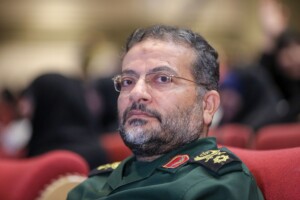
7. Daoud Alizade Asgari
Commander of the Quds Force’s Lebanon Corps. Asgari oversaw Tehran’s Lebanon portfolio, serving as the key link between the regime and Hezbollah. He exploited Iranian national resources to advance the Islamic Republic’s terror operations at the expense of ordinary Iranians.
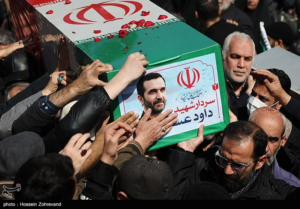
8. Gholamreza Rezaeian
Head of the FARAJA Intelligence Organization. Rezaeian headed the intelligence arm of the law-enforcement command, a crucial instrument of repression tasked with surveilling, tracking, and arresting dissidents. The regime’s law enforcement forces serve as the first line of repression against dissidents and have been responsible for killing many protesters.