May 1, 2026 | Memo
Using Facial Recognition Tools To Identify October 7 Perpetrators
On the morning of October 7, 2023, a bloodied Joshua Mollel raised his hands in surrender as armed Palestinians dragged him from Kibbutz Nahal Oz. Shortly thereafter, Mollel was murdered and his body was taken across the border to Gaza.1 More than two years later, Mollel’s killers and those of many other victims of the Hamas-led massacre have not been identified. But facial recognition tools can see what was not visible before.
An estimated 7,000 Palestinians participated in the October 7 attack.2 Since that day, the Israel Defense Forces (IDF) has published the names of Palestinians who carried out attacks or abductions, but more remain to be revealed. The terrorists’ own recording devices became important sources of evidence. The available footage is extensive, but only a small portion lends itself to identifying the perpetrators. However, the combined use of facial recognition tools and social media exploitation can yield verifiable identity data. This report identifies three murderers from the October 7 attacks.
Amjad Qadoum
On December 17, 2023, footage depicting Mollel’s capture and killing was uploaded to the social media platform Telegram and shared widely.3 Mollel’s father expressed anger at both his son’s killers and those who made the video public.4
The footage shows several armed men holding and speaking to a bloodied Mollel. Seconds into the video, a man wearing a wide-brimmed hat and holding an object with a black handle enters the frame. A second clip shows the immediate aftermath of Mollel’s stabbing, with Mollel on the ground and bleeding from wounds to his torso. The man with the wide-brimmed hat is holding a bloody knife and standing near Mollel’s body.
On its Telegram account, the Fatah-affiliated al-Aqsa Martyrs’ Brigades posted another video of Mollel’s lifeless body, titled “Live scenes from the battlefield.”5 The footage also shows the man with a wide-brimmed hat, knife in hand, and matching clothes.
Two artificial intelligence (AI) facial recognition tools were used to search for Mollel’s killer: Lenso.ai6 and PimEyes.7 Both Lenso.ai and PimEyes returned an open-source image from a Special Broadcasting Service (SBS) reproduction of an August 6, 2022, Agence France-Presse article.8 The photo — published by SIPA Images and credited to Mahmoud Issa — depicted unnamed individuals mourning the death of a family member named Alaa Qadoum.9
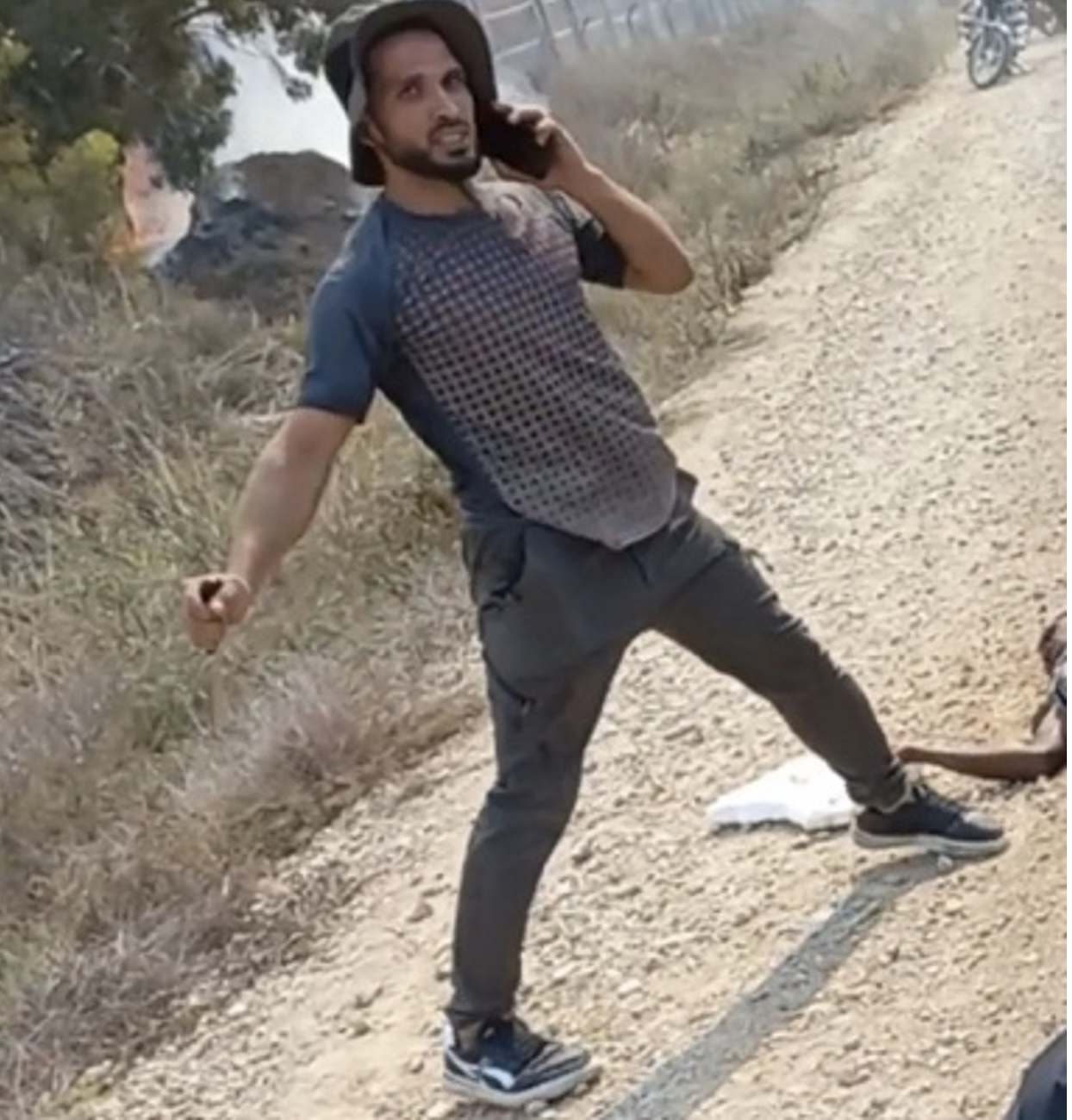
Figure 1: In a still image from the second video on X, Qadoum is standing beside the body of Mollel.
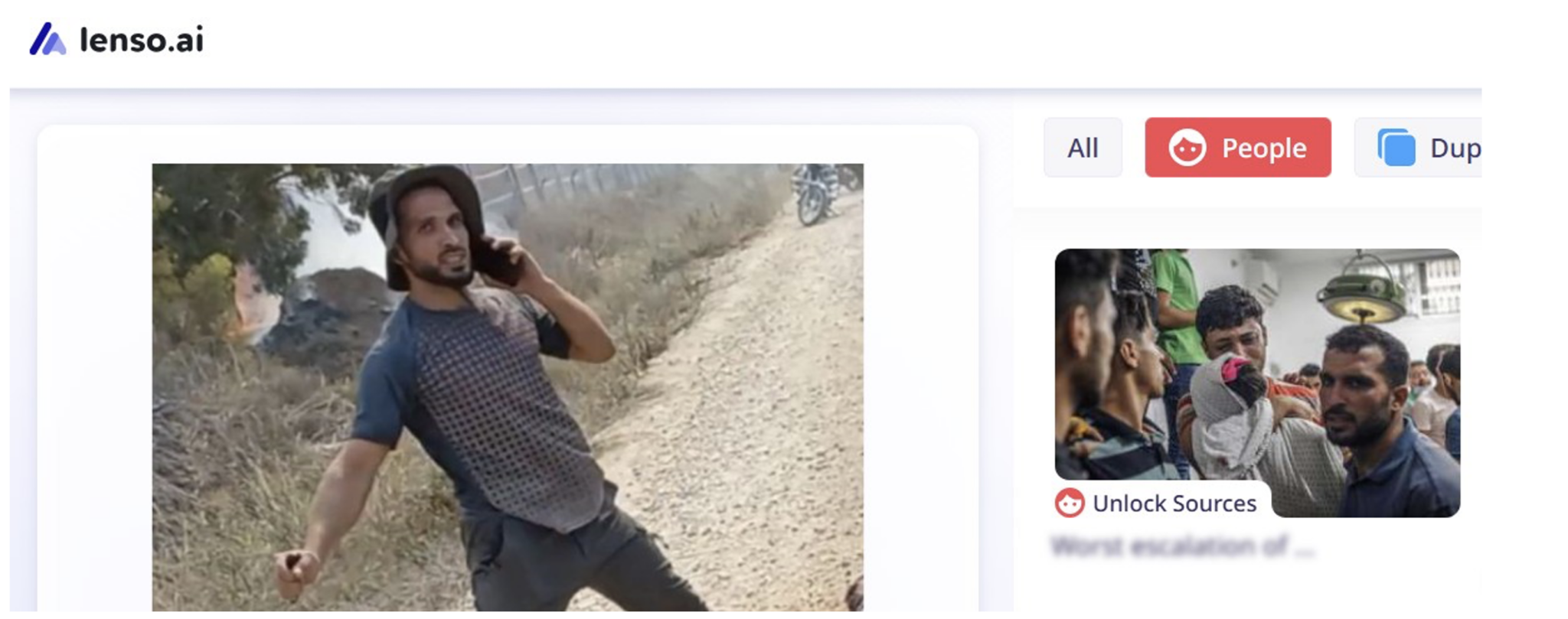
Figure 2: A Lenso.ai query returned a result using the still image from the second clip found on X. The result shows a picture of the suspect taken from an SBS news article.
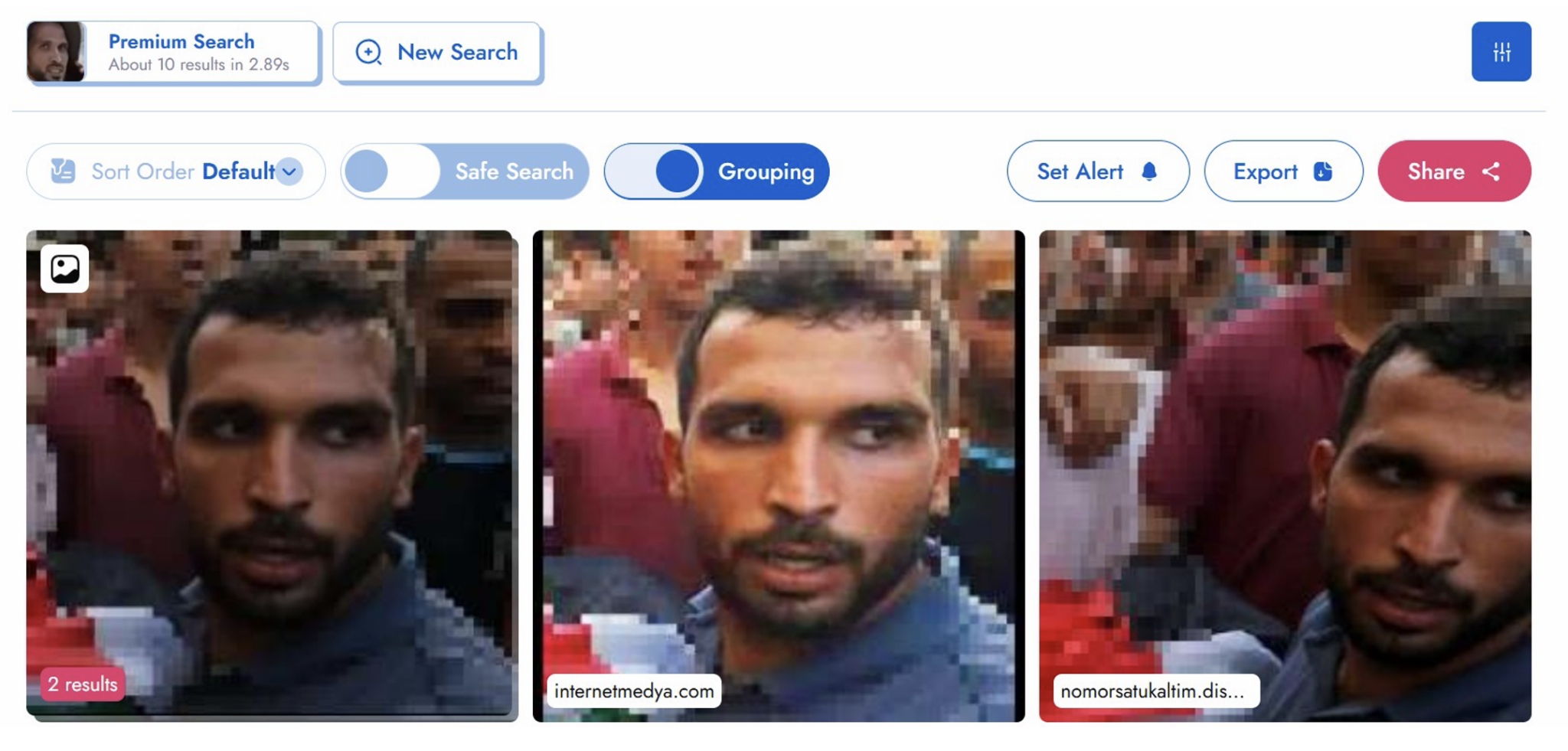
Figure 3: Using the same image taken from the video evidence on X, PimEyes returned additional articles containing pictures of the suspect.
A Facebook search for the family name of Qadoum in Arabic (قدوم) turned up a profile named Amjad Qadoum whose facial features closely resemble the suspect in the Mollel videos.10

Figure 4: Amjad Qadoum’s profile found on Facebook.
Amazon Rekognition’s “Face Comparison” tool was then used to assess whether the image in the Amjad Qadoum Facebook profile matched the face of Mollel’s murderer.11 Amazon Rekognition assessed a 99.4 percent similarity.
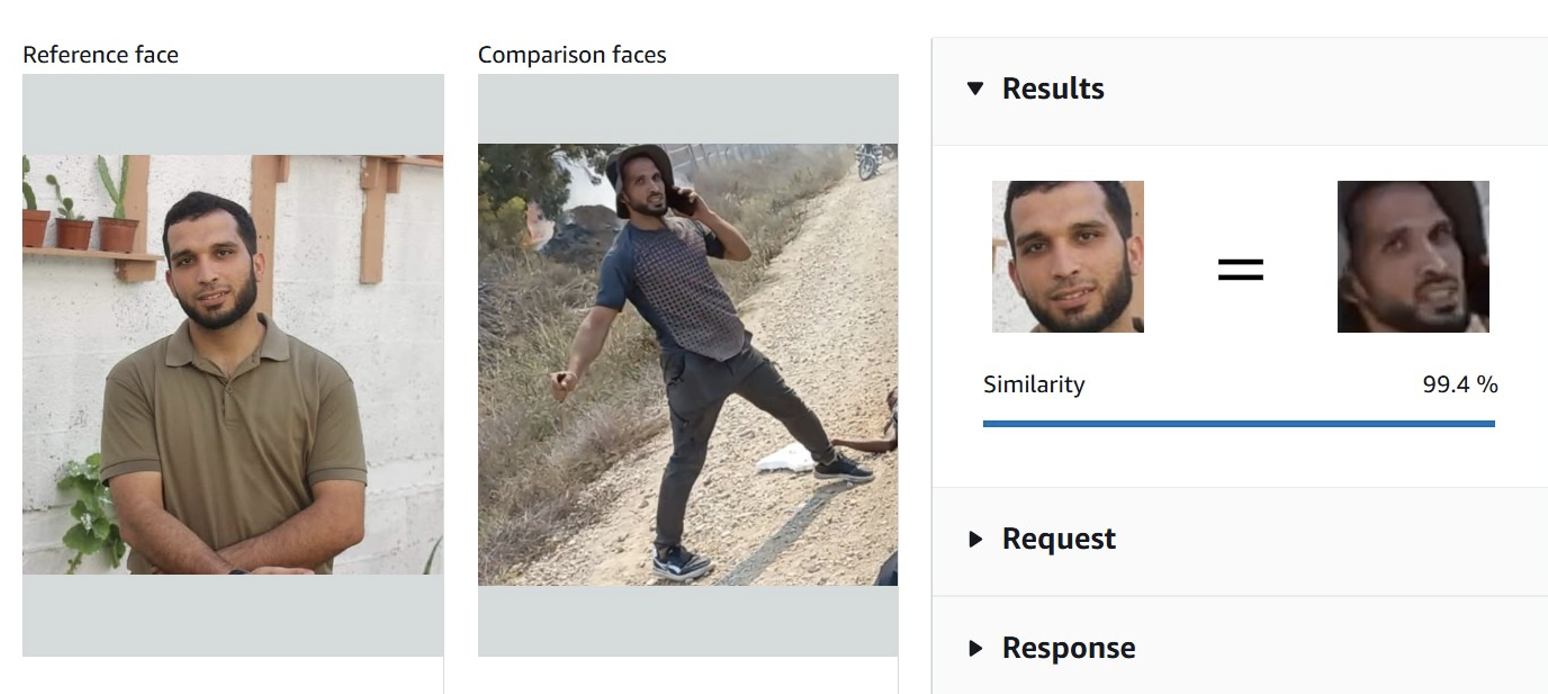
Figure 5: Amjad Qadoum’s facial analysis result comparing a photo from the suspect’s Facebook page and a still image from the Mollel video.
It is unclear if the name Amjad Qadoum is authentic or an alias. However, the suspect’s link to Alaa Qadoum indicates that the name is likely authentic. Open-source information does not indicate whether Amjad Qadoum is still alive. Nor is it clear whether he was a member of a terrorist organization.
On November 5, 2025, Hamas transferred the body of Joshua Mollel to Israel as part of a ceasefire agreement.12
Yasir Samir
Open-source photographic evidence circulated on social media depicts several Palestinians forcibly abducting Raz Ben Ami, from Kibbutz Be’eri, on October 7.13
The source of the photograph is unknown. However, multiple independent sources indicate that the photograph is authentic. Israel’s Channel 12 news broadcast the photo in a report detailing the kidnapping of Raz and her husband from Kibbutz Be’eri on October 7.14 Separately, Israel’s public broadcaster, Kan News, presented the same photo relating to the kidnapping of the couple.15
Additionally, Kan broadcast a separate video of the Ben Ami kidnapping.16 The victim and the suspects in the footage are wearing the same clothes seen in the photograph shown by Kan and Channel 12. While the photo and video were clearly taken by a participant in or an observer of the kidnapping, it is not clear how Israeli journalists obtained the photo, which provides an unobstructed view of the face of one of the kidnappers.
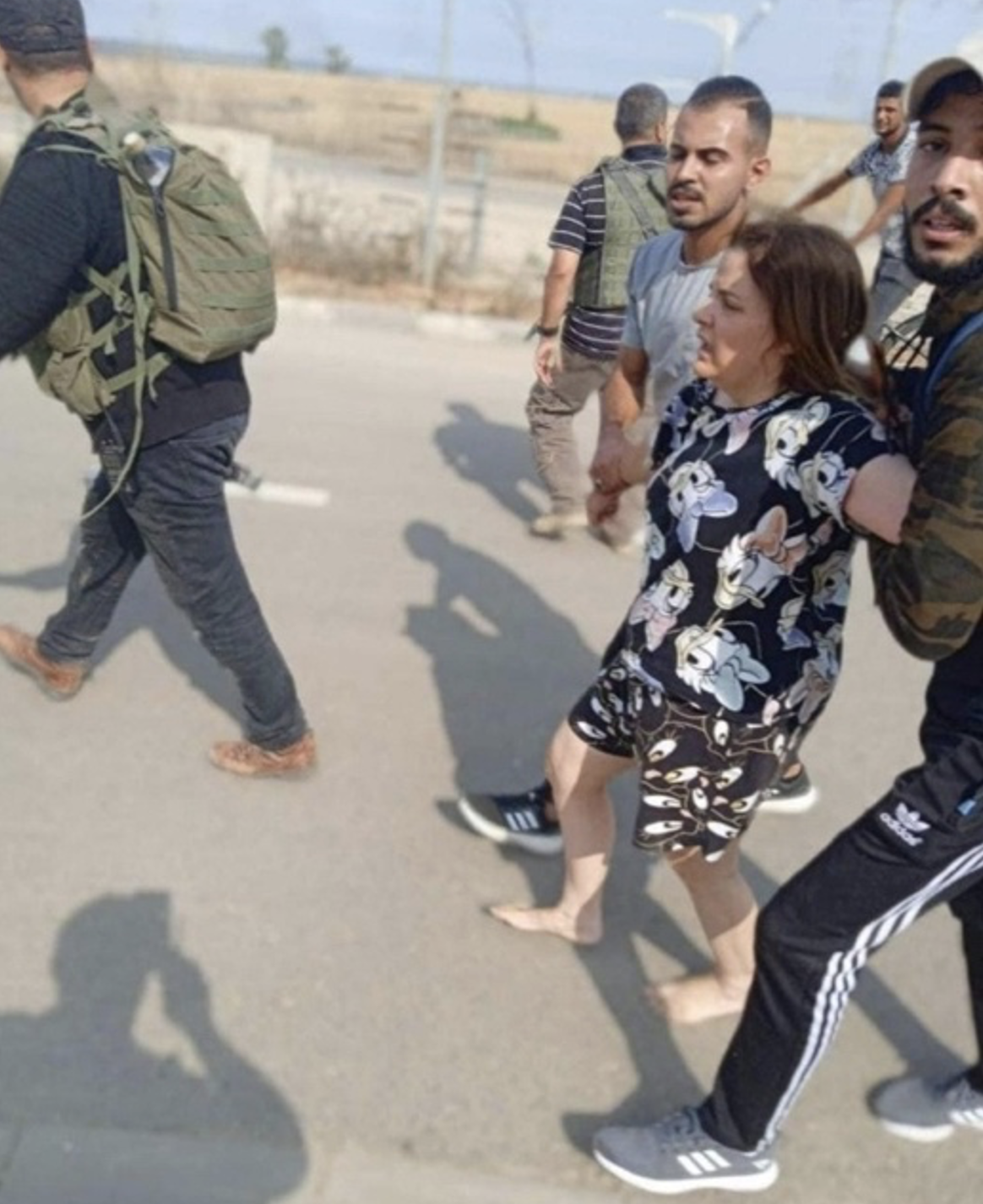
Figure 6: Photo of the suspect, Raz Ben Ami, and other gunmen. The photo was taken from Kan News and Channel 12 broadcasts.
Lenso.ai and PimEyes found multiple matches for the man in this photo on Gaza-based websites (Figures 7 and 8). Lenso.ai returned an article on the Nuseirat Municipality’s official website (nuseirat.ps).17 The article refers to a gathering of individuals to support the Nuseirat camp in central Gaza. In the center of the picture, a figure resembling the suspect can be seen.
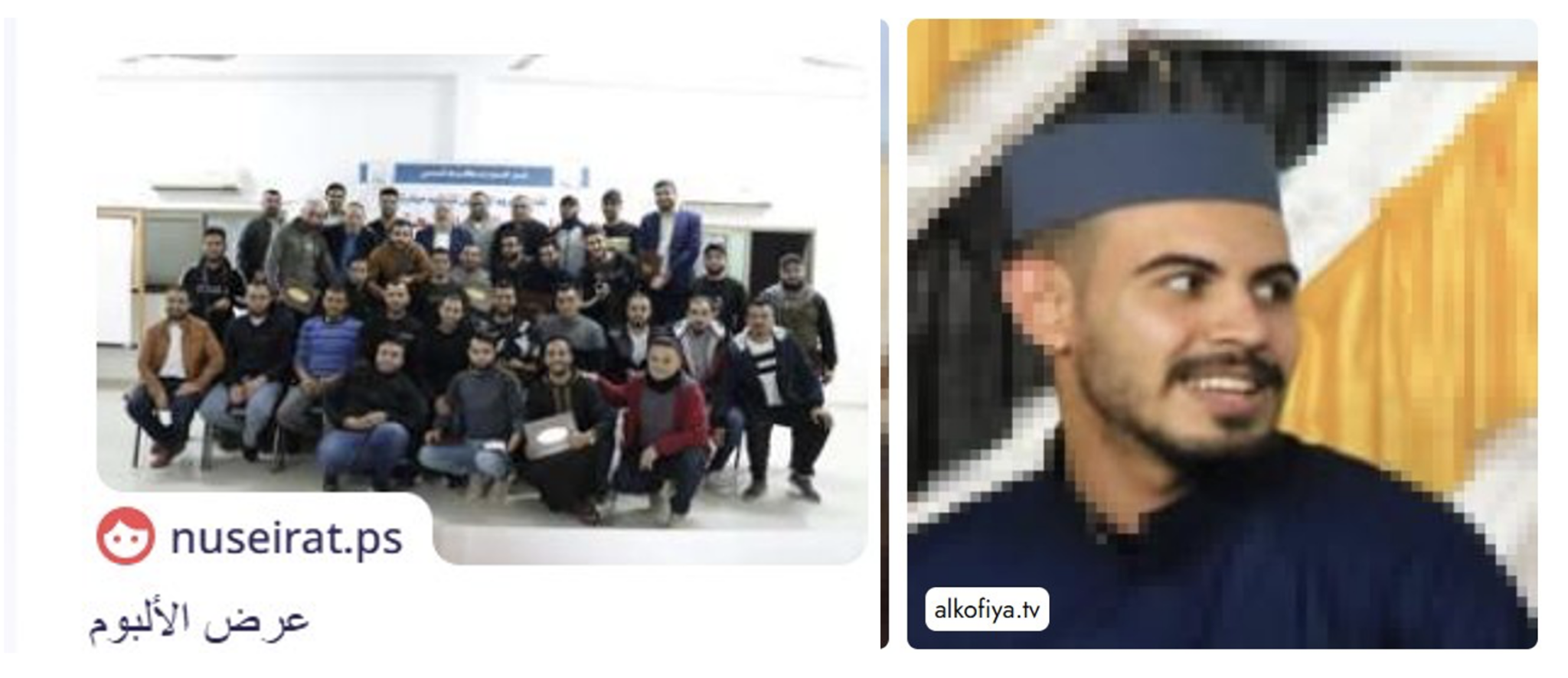
Figure 7: Matching images found by Lenso.ai (left) and PimEyes (right).
PimEyes returned an article from Alkofiya.tv, an online Palestinian news organization, showing an individual who resembled the suspect performing at a music event with a band. However, neither Lenso.ai nor PimEyes identified the suspect by name.
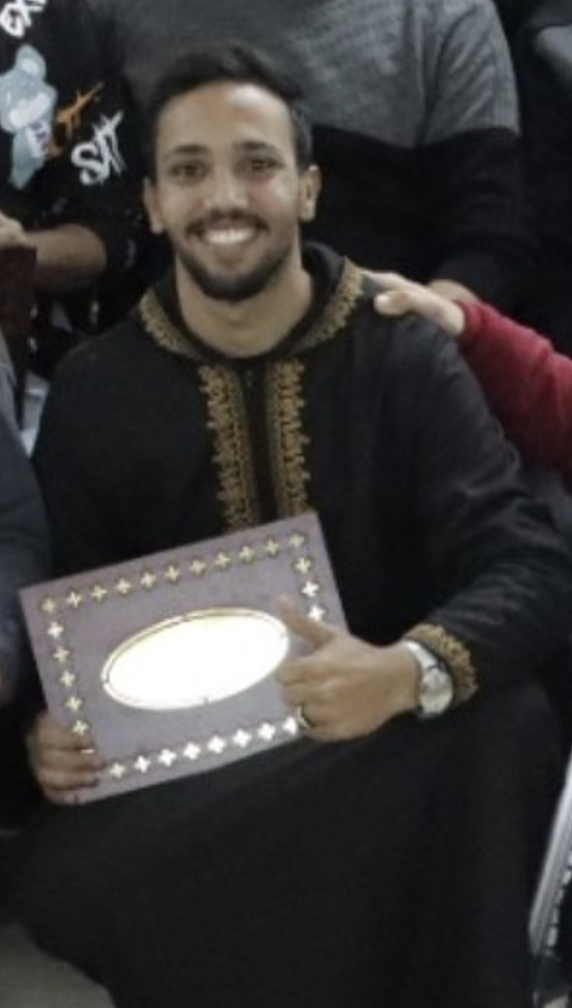
Figure 8: Mohammed al-Hour in the Nuseirat.ps photograph.
A facial recognition analysis of the individuals in the nuseirat.ps photograph pointed to a Facebook page under the name of Mohammed al-Hour.18
Al-Hour’s Facebook profile included a photograph of an individual who resembled the suspect. The photograph was tagged to the account of Yasir Samir, who matched the suspect’s appearance from the Raz Ben Ami kidnapping photograph.19
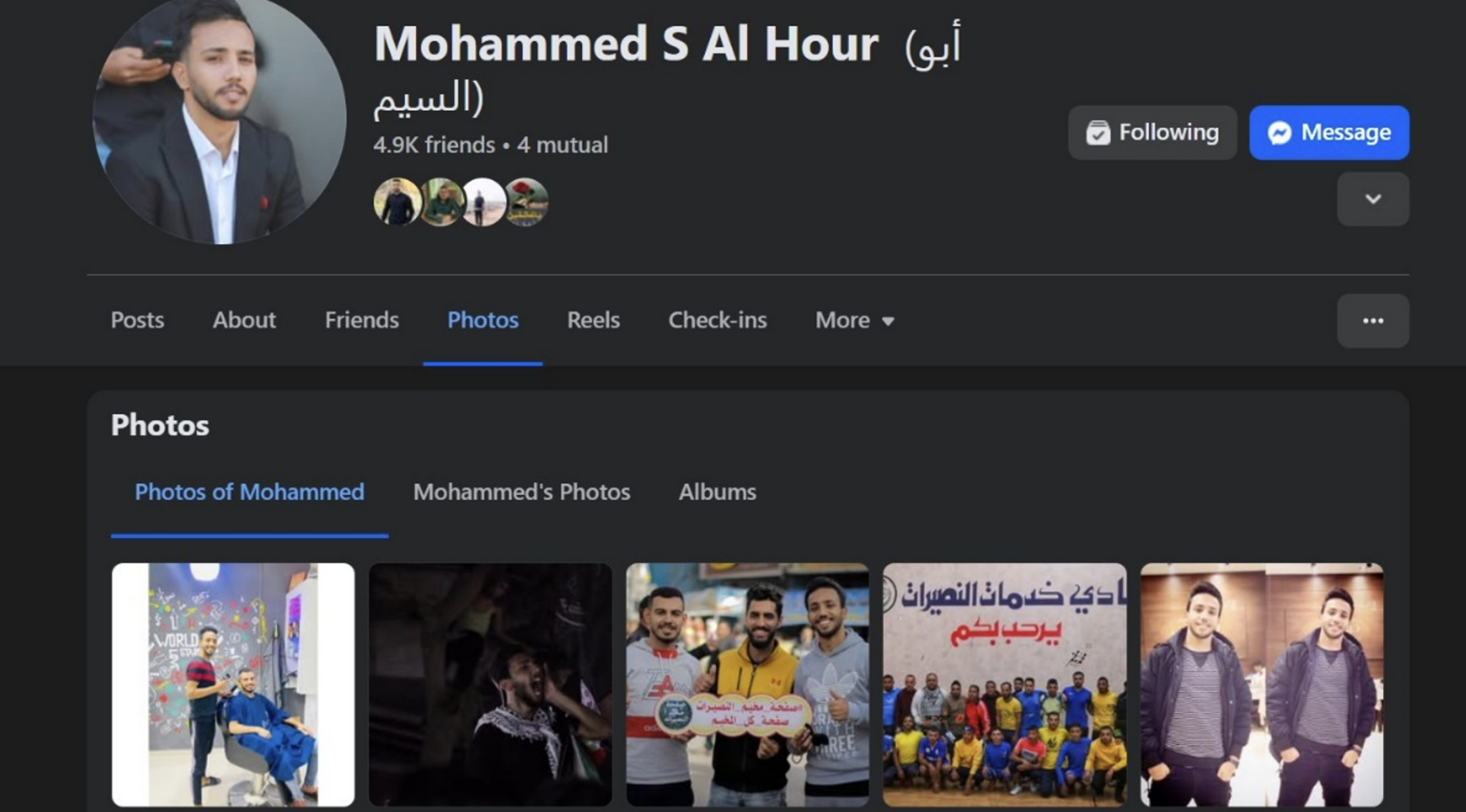
Figure 9: On Mohammed al-Hour’s Facebook page, the first picture (bottom left) shows a seated individual who resembles the suspect.
Amazon Rekognition compared the facial features in the photos from Samir’s Facebook page and the Ben Ami kidnapper. The query returned a 99.9 percent similarity.
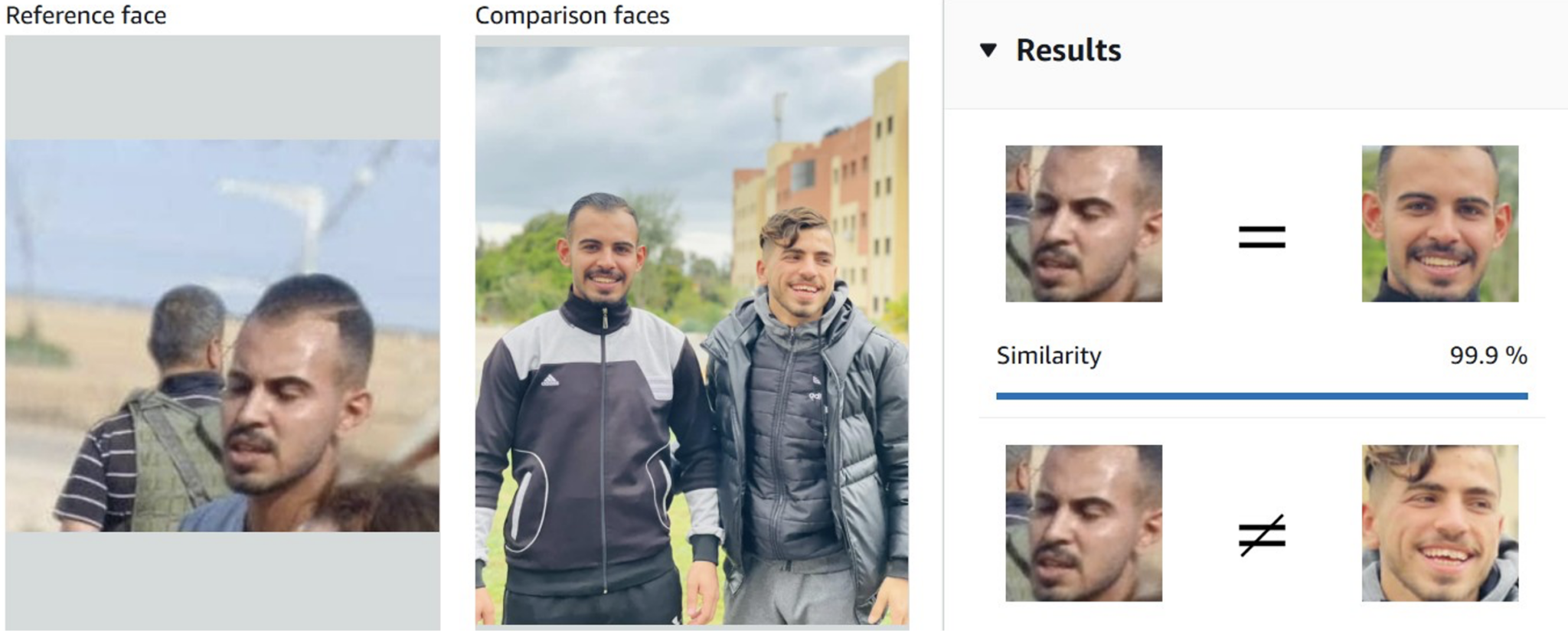
Figure 10: Amazon Rekognition comparison of the reference image of the assailant and photo from Yasir Samir’s Facebook page.
A May 2025 video from Mohammad al-Hour’s Instagram page shows Palestinians mourning the death of a child.20 A figure resembling Samir can be seen with a group of people in the background.
Open-source evidence provides no clear indication that Samir belonged to a terrorist group, nor could it be determined if the name Yasir Samir is authentic or an alias.
Hamas released Ben Ami on November 29, 2023, as part of a temporary ceasefire agreement with Israel.21
Mustafa Shaheen
A photograph by Ali Mahmud, an Associated Press photographer, served as the reference image for identifying Shaheen.22 The photo shows unidentified gunmen in the back of a pickup truck with the body of German-Israeli dual national Shani Louk on October 7. Hamas abducted Louk from the Nova music festival and murdered her.23 While Israeli media outlet ILTV reported that airstrikes killed the suspect days after the abduction, neither the outlet nor the IDF published his identity.24
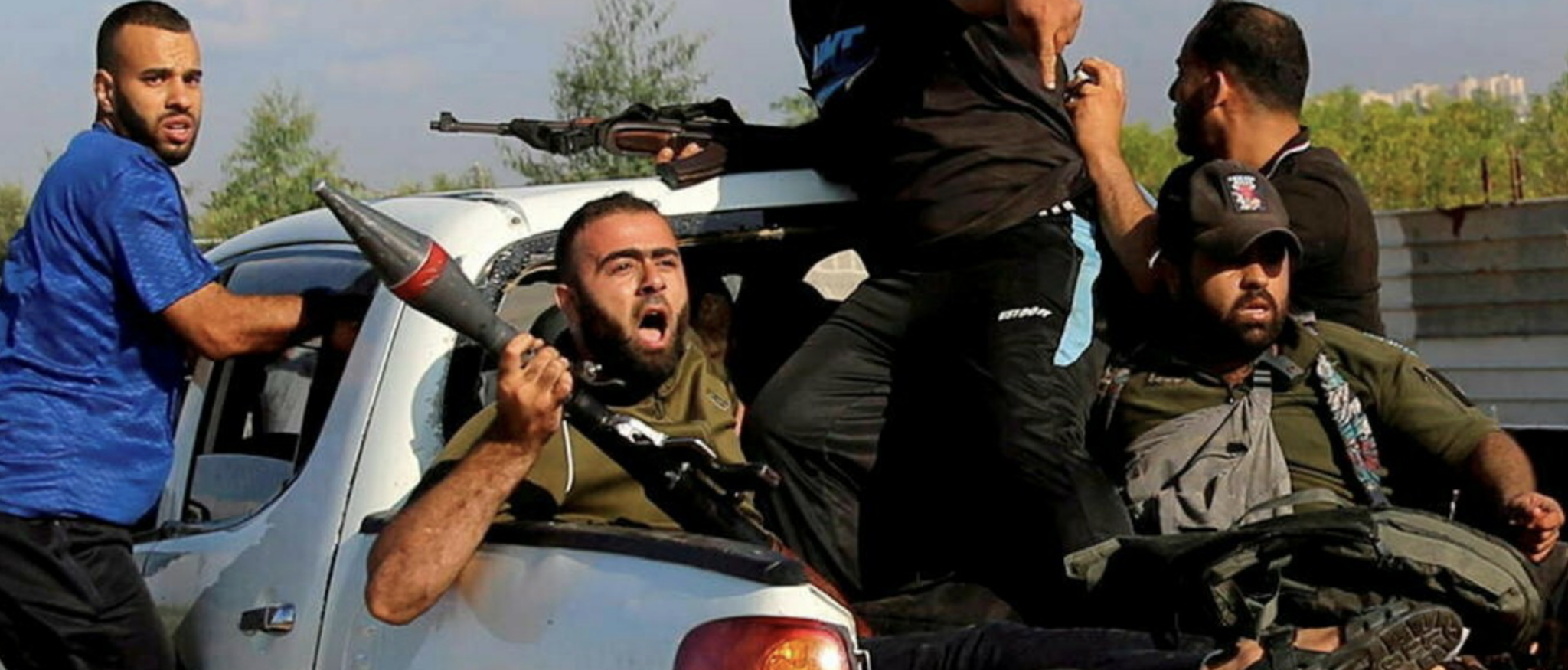
Figure 11: Associated Press photograph of the suspect holding a rocket-propelled grenade in the back of a pickup truck while abducting the body of Shani Louk.
Using the Associated Press photo, Lenso.ai returned an article on Airwars.org that provided details about an Israeli strike on a home belonging to the Shaheen family in Jabalia.25 The website provided a picture profile of Mustafa Shaheen and details about the Israeli airstrike that killed him and members of his family on October 10, 2023.
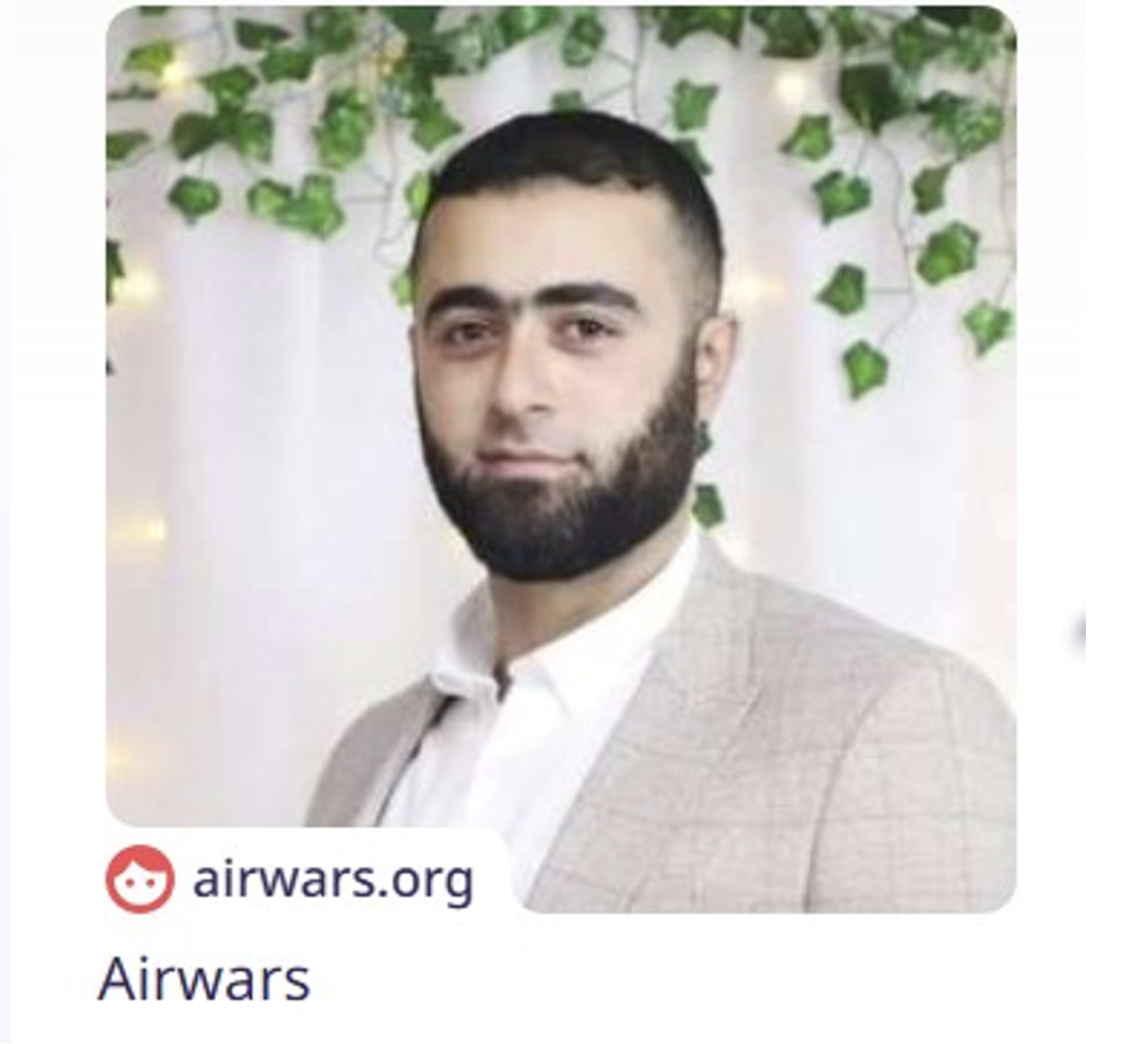
Figure 12: Lenso.ai returned a photo matching Mustafa Shaheen on Airwars.org.
Amazon Rekognition’s Face Comparison found a 99.9 percent similarity between the reference image from October 7 and the profile picture on Airwars.org.
Mustafa Shaheen is likely the suspect’s true name. A Facebook page called “Mustafa Shaheen Glass and Mirrors Workshop” contains photos and a video of an individual who appears to be Shaheen.26
The IDF recovered Louk’s body in Gaza on May 16, 2024.27
Conclusion
Evidence collected and processed with facial recognition tools identified Amjad Qadoum, Yasir Samir, and Mustafa Shaheen as participants in the October 7 massacre.
These three names contribute to the ongoing investigation identifying the thousands of perpetrators of the October 7 attacks. There are no publicly available Israeli government figures specifying how many October 7 suspects remain to be identified, but facial recognition software and open-source analysis may lead to other perpetrators.
